Cyber trends come and go like lightning in today’s world, but SEO is one of the few tested long-term strategies which keep showing tangible results over time. Unlike paid ads, which go “poof” when the budget does, a well-optimized site will continue to earn traffic, build authority, and convert visitors even when the rope time passes.
It is not a quick fix for a moment: it lays a foundation that makes your online presence stronger every month. Valuable content, better conversion and user experience, and staying close to the search engine algorithms all help build one’s own digital equity that will proliferate like compound interest. In 2025, search engine optimization will be even more important than it is today-will be critical not merely applicable-as AI-driven search and voice-performed assistants will crowd the market. Companies investing now will become the beneficiaries while others chase set brands.
The Evolving Landscape of Search in 2025
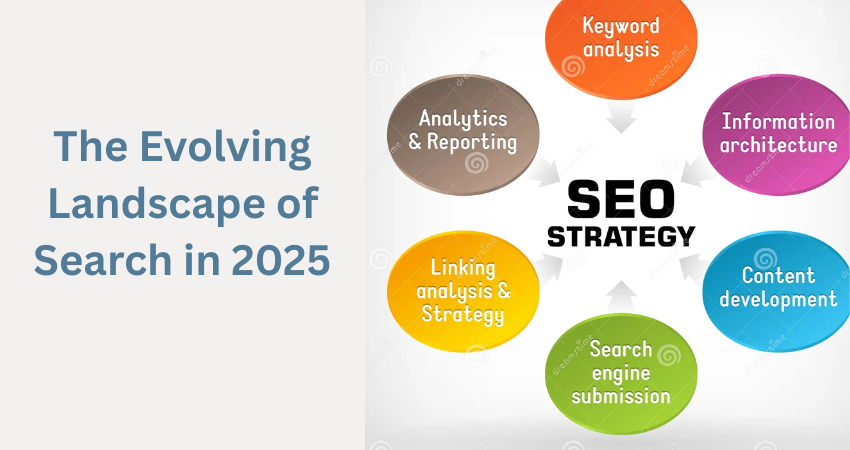
Search engines are growing in sophistication and subtle execution than ever before. In 2025, SEO had stopped being the practice of keyword stuffing or tricking backlinks, keeping intent, content quality, and user experience on the front burner. Under AI algorithms and with personalized search results, Google and other search engines tend to favor sites that really bring value. This means that brands must employ long-term SEO strategies and should stop looking for disconcerting fast success.
While this has also changed user behavior, people now depend on voice search, AI chatbots, and visual search tools more than before. All of this clearly shows that SEO cannot remain a static checklist anymore-it is a moving target that is adjusting itself based on the human pursuit of information. The businesses that are willing to adapt to this evolution shall be the ones to remain visible and competitive in the digital marketplace.
Organic Reach vs Paid Ads: A Cost-Effective Strategy
In the saving-a-buck consideration, SEO wins hands down. Paid ads bring results quicker, but ad expenditure can get heavy and may not prove sustainable in the long haul. With SEO, one can cultivate a steady trickle of organic traffic that does not disappear the moment the ad budget is cut off. It pays for the leaning of one’s website infrastructure and content which yield dividends over time.
The other thing is that users tend to trust organic search results more than sponsored ones. Credibility is bestowed on being on the first page of search results, thus attracting highly qualified leads. This long-standing trust and visibility lay an excellent foundation for conversion rates, thereby making SEO an essential element of any sustainable digital strategy.
Building Authority and Trust through Content
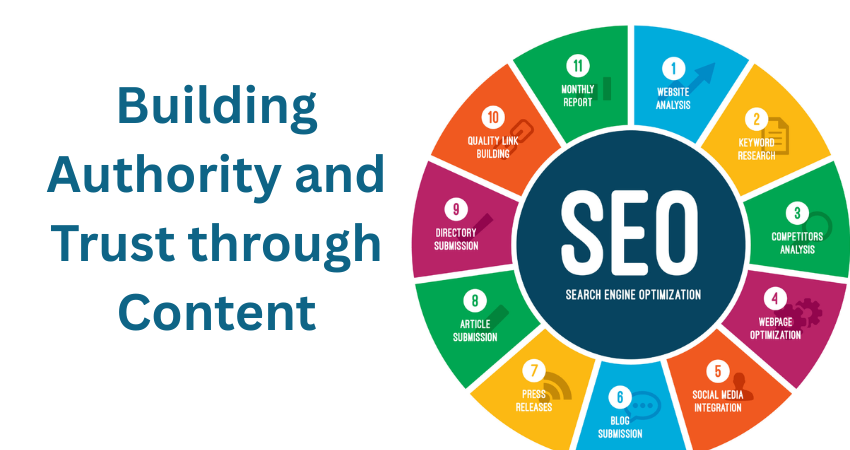
SEO is not just about getting traffic; it’s about gaining your audience’s trust. Content that serves a real purpose will establish your brand as an authority within a particular niche. By publishing helpful blogs, guides, and resources, you are showing your expertise that search engines reward with higher rankings.
This builds an audience over time. Instead of just being a place to attract clicks, you build loyalty and engagement. Your website becomes a reference point, not just a one-time stop. This trust translates into repeat business and word-of-mouth referrals, both of which amplify your brand’s digital presence.
• Title Tags and Headings: Don’t be stingy; put those keywords in the H1, H2 headings and especially your page title.
• Meta Descriptions: While not a direct ranking factor, a compelling meta description can boost your click-through rate, which does indirectly help your SEO.
• Content: Naturally weave keywords into your copy. If you start piling up 500 references to “vegan donuts,” you’ll look spammy — and nobody likes spam-flavored anything, especially not donuts.
The Role of Technical SEO in Long-Term Success
SEO is a very technical game that many businesses tend to neglect, but that is basically the foundation for any long-term successful venture. Site speed, mobile responsiveness, structured data, and crawlability are all factors that affect the ability of search engines to index and rank your pages. A beautifully written blog post becomes something of a waste if it appears on a site that itself is slow or poorly structured.
By checking the technical health of your site regularly, you can count on search engines to access and interpret your content properly. This will go on to promote anything else in the way of building a solid SEO foundation, from content marketing to backlink strategies.
Measuring Success and Adapting Your Strategy
SEO is not just an event in itself but a continual testing process – just like measuring, improving tools such as those that measure performance: Google Analytics, Search Console, and SEMrush can illustrate user behavior while helping companies to find opportunities. Underperforming pages may need optimization or consideration of old content; the idea is to ensure that all stays before improvement.
That would also provide the best results for patient SEO folk, one true long game. The results become many over time. Businesses that treat SEO as an ongoing strategy, not a quick fix, are the ones that really build lasting digital empires.
Conclusion
SEO is being further appreciated in 2025. Since competition is increasingly winning its digital avatar, and consumer behavior continues to evolve, businesses will naturally prefer a long-term visibility-rather-than-use-it-and-expend-it-approach along with trustworthiness. SEO is the road map on how to achieve this. Not only is SEO a marketing tactic; it is more a building block of success in the online realm that no business can afford to miss.