Introduction
In this competitive digital economy today, freelance web designers have to put up with heavy competition. It is not enough to have skills in places since thousands of them find the same kinds of services. Most of the time, personal branding is what makes successful freelancers stand out from the rest – the unique identity and perception that others have of them in the industry. Indeed, personal branding has become crucial in attracting clients, building credibility, and ensuring a long-term success story for freelance web designers. This is what finally tips the balance when a client has to choose you as opposed to someone else with almost the same qualifications.
Personal branding is not merely an act of self-promotion, but rather a means to establish trust and demonstrate the value that you bring to the particular niche or clientele you service. A strong personal brand should equate to an identity that draws together all of the work you do, the way you communicate, your values, and your reputation. You become recognizable in a crowded marketplace because people know what to expect from you and your unique styling. Freelancers who invest time in establishing their personal brand set themselves above clients they really want to work with, attract higher rates, and sustain long-term growth. Let’s see how and why personal branding can trigger the transformation in a freelance web designer’s career.
The Power of First Impressions: Branding Sets the Tone
Visual Identity Reflects Professionalism
Your visual identity-from your logo to your color palette to your portfolio layout-is what makes or breaks first impressions. When clients visit your website or social media profile, they ought to see from the onset that you are professional, confident, and creative: that you have a cohesive and clean design aesthetic all point to trustworthiness and competency. Those first clients signal to you that you take your craft seriously. Your out-of-date or disorganized website can overshadow phenomenal design skills. Personal branding allows control over those foreshadowed first impressions between the visual design and the tone you want to send.
In addition, consistency in visual identity across different platforms is very important. Whether it’s your LinkedIn banner or your Behance profile or your email signature, every touchpoint must express your branding. This consistency builds recognition and recall and keeps you in the forefront of the client’s mind when making decisions. An effective visual identity is never just a pretty face. Rather, it demonstrates your attention to detail, understanding of the user experience, and ability to think strategically — all qualities clients look for in a web designer.
Messaging That Resonates With Clients
Important too is how your brand speaks. Personal brand messaging—including your bio, value proposition, and social media captions—should streamline communication of who you are, what you do, and why it matters. Too many freelancers list mostly services but fail to separate themselves from the pack. Good personal branding tells others what your niche is, how you design, and who you are. Are you a minimalist designer valuing simplicity? Or perhaps you go bold with experimental visuals for startups? Clear messaging helps them connect with you on a personal level and to understand how your way of working fits into their thinking.
That is also where the emotional connection happens. When your words translate into trust, interest, or curiosity, the bond with your audience becomes stronger. Sharing your story, discussing your process, or offering client testimonials will ring true for your personal brand. People would rather work with someone they feel connected to and confident in, and that connection is built through intentional brand messaging. Your voice builds relationships and sets the stage for what follows.
Standing Out in a Crowded Market
Differentiation Through Unique Style and Values
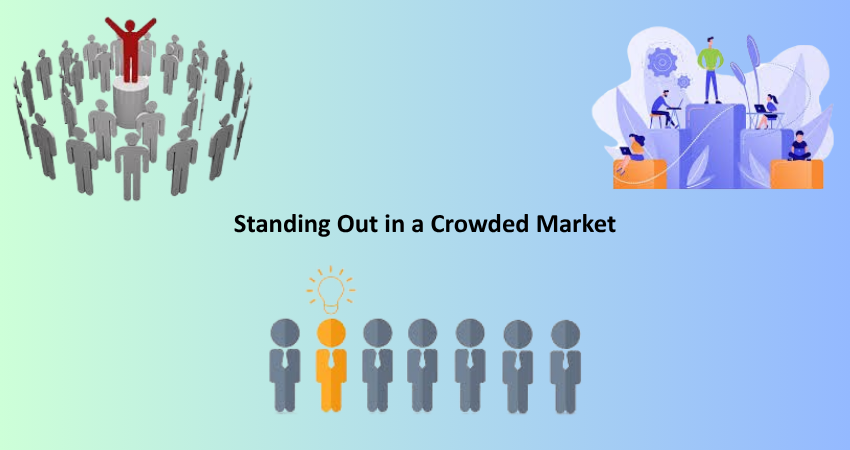
In the fast-moving world of freelance web design, there is cutthroat competition. Thousands of designers provide comparable skill sets, pricing, and turnaround times. You set yourself apart by building a personal brand that communicates your unique style, values, and experiences. Perhaps you’re a designer with a psychology background that introduces an understanding of user behavior into your designs. Or maybe you are a digital nomad whose aesthetic is influenced by global sensibility. Whatever it is, your personal brand needs to convey it clearly. If clients see what differentiates you, they’ll be more likely to remember you and refer you.
Equally important in this differentiation are the values themselves. These days, consumers and clients choose to work with brands that have the same value system as theirs. Discussing your personal mission or causes brings you even closer to your clients. For instance, if accessibility in design is close to your heart, then talking about that within your personal branding makes a statement and presents you and your company as an expert. Clients needing accessible design solutions will be drawn to you naturally. This kind of difference is less about inflating your sense of self than standing authentically in your essence.
Building Authority in a Niche
Another thing in which personal branding can help is by creating an authority in some very specific niche or design segment. Generalist freelancers, as a rule, know their battles to hold ground because they lack proper positioning. A personal brand focusing on that niche, be it e-commerce UX, non-profit website development, or portfolio design for artists, allows one to own a space and be seen as an expert in it. A specialist has a far greater chance of gaining trust from their clients than that of a jack-of-all-trades.
You build authority over time through consistent content, testimonials, case studies, and visibility. Writing blog posts, sharing insights on social platforms, and speaking at design webinars will position you as someone who knows the craft deeply. This personal brand acts as the framework for this thought leadership. Gradually, you are not just another designer, but the designer for his specific type of project or client. Such authority creates better leads; lower price resistance molds a fulfilling freelance career.
Personal Branding Builds Client Trust
Reputation as a Foundation for Business Growth
Freelance web design is all about trust. Clients are parting with their money for something that is essentially intangible until it is delivered and thus reputation becomes a cornerstone of your brand. Personal branding is not merely a façade but is proving to be trustworthy, honest, and capable. Each interaction with the client, validated client, or testimony contributes to the credibility of your personal brand. Given two designers, the one with a clear and professional online presence and with a record of completed projects will land high-paying gigs with much better prospects than another designer whose profile is incomplete and poorly organized.
Trust cuts your selling efforts. If, by the time your prospects come to you, they already perceive you as trustworthy, closing becomes easier! They have experienced your work, have read your story, and likely have followed you for a bit. This previously one-sided relationship gives that prospect added confidence to pull the trigger for hire. Testimonials, behind-the-scenes content, and case studies on your personal brand only serve to enhance that credibility. Think of it as a quiet salesperson, working around the clock promoting you! Building trust even when you aren’t marketing.
Transparency and Authenticity as Trust Builders
More than ever, authenticity stands out. Clients want good design AND want to work with real people they connect with. Personal branding provides the ability to forge that human bond through transparency about your process, your values, and your journey. An article about lessons learned from a failed project or an Instagram story showing your sketches create trust with tiny glimpses into behind-the-scenes work.
Authenticity does not mean you share it all. Authenticity is being you — all the time. If your brand voice is playful, stay playful in every email and every piece of content. If you promise quick turnarounds, deliver that, over and over. Authenticity becomes the brand signature. More and more, clients are attracted to a freelancer who adds personality and vulnerability to their work. It just feels more real and more relatable. When your client feels they know you, they trust you — when they trust you, they hire you.
Increasing Visibility and Lead Generation
Personal Branding as a Marketing Engine
Freelance marketers mostly fail to find the right clients and promote their services without being salesy. Being an excellent personal brand makes someone the magnet of attention and leads. The more such individual shares valuable contents or showcases his work, or engages with the audience, the more actively will be the personal brand working behind and bringing clients to the individual. Such a transformation makes business less reactive (i.e., pitching all the time) but rather proactive (where inquiries come in). There are many more platforms like LinkedIn, Twitter, and Instagram-even YouTube that can work wonders for your brand if you show up regularly and with intention.
Build your brand as a funnel. It attracts people to your content, builds interest with your portfolio, and closes the deal with brand messaging. The clearer and more consistent your brand is, the faster this funnel works. Forget about cold emailing prospective clients or searching for job options on boards. Rather, leads surfacing from time to time will find you. With time and better efficiency, as your personal brand grows much stronger and more identifiable, you become that desiring designer in your niche, raising not only your visibility but also the value that one sees in you.
Attracting the Right Clients and Projects
One of the more neglected advantages of personal branding is its ability to filter your leads. With a clear voice and presence, your brand arranges to create an affinity with clients who would like to work with you — and repel those who are contrary to your ideals. Better relationships — fewer revisions — and happier projects. Consider it this way: If your brand is all about minimalism, the client who wants flashy animation probably decides not to work with you. That’s a win for you.
And this filtering gives you the power to curate your own portfolio and project pipeline. You stop accepting odd jobs that have little to do with your education just to pay the rent and begin to develop a business based primarily on your strengths and interests. Your brand is now your guiding star, setting the framework for how you make decisions about running your operations, and positioning the company for long-term growth and relevance. Instead of pursuing opportunities, you build a system where opportunities come to you-right opportunities-on a regular and predictable basis.
Long-Term Career Impact of Personal Branding
Expanding Into Thought Leadership and Products
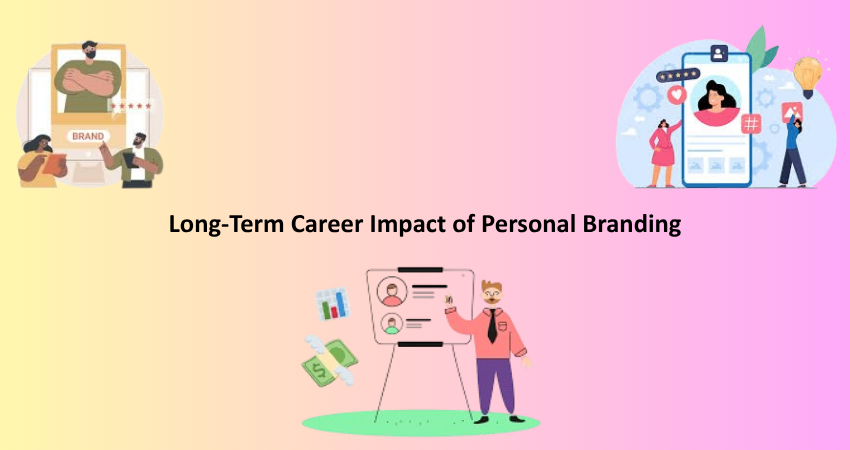
With the development of your personal brand, opportunities emerge that are beyond just client work. Most freelance web designers transform into educating thought leaders or products developers, and all of such things are possible through the personal brand they have built. Whether it is a course on UI design, a book, or mentorships, the personal brand is the corner stone foundation for expansion. People follow what they trust, value, or admire, and as trust develops, this is where they invest in what you have created.
It also configures different streams of income above and beyond the freelance business. Instead of being chained to the project-to-project grind, progression in personal branding allows you to monetize your knowledge in new, as well as scalable, approaches. It also raises your image in the industry, leading to speaking engagements, podcasts calls, and collaborations. In short, your personal brand becomes an exponent to your career-casting a solo freelance life into a platform for long-lasting inspiration and income.
Building a Sustainable Freelance Business
The freelance world can have its ups and downs- off-seasons, difficult clients or the circumstance may change. Therefore, a visible personal brand anchors and sustains your freelance career by creating that one identity that stays above any specific client or short-term project. During leaner times in the business, the brand will promote you, keeping your name fore in leads and goodwill. This very set-up gives you the resilience and confidence to deal with challenges and evolve over time.
The next benefit of a strong personal brand is that it cultivates community and support. While developing your audience and network, you get into relationships with fellow freelancers, potential collaborators, and clients. This is a long-term asset for your business. When people know who you are, what you stand for, and the quality you deliver, they would likely refer you, find you a partner, or call you back for repeat work. Thus, personal branding is not a marketing effort; it is the foundation for building a resilient and fulfilling freelancing business.
Conclusion
If fast-paced and ever so competitive in its nature, freelance web designing calls for personal branding to be an absolute necessity; an essential. The thing that distinguishes you, builds trust, attracts the right clients, and offers you a chance to sustainably grow your business is personal branding. Personal branding will help in every bit of your freelance career — from visual identity, brand messaging, and thought leadership to relationships with clients. It turns reputation into a currency; storytelling into a marketing tool; and your personality into a career differentiator.
If you fit in as a freelancer, then establishing your personal brand will be one of the greatest things in store for you in 2025 and beyond. Personal branding is not about creating a fake persona; it seeks to display your true strengths, values, and vision in a manner that resonates with others. When done right, personal branding is all about not making an impression; it is about making a memory, gaining respect, and getting hired again and again. And that’s the kind of freelance success that endures.