Introduction
In today’s digital-first world, freelancers have almost every profession crawling with competition—from design and development to consultancy and writing. Of course, offering one’s services to the entire geographical scope has now become quite an easy task due to the gig economy; but it has definitely made the competition very tough in terms of how to stand out and win clients. Personal brands are everything for freelancers, and probably the most amazing weapons to build that brand and earn constant income is a website that sells-a website that not only showcases their work but also persuades visitors to hire them.
It used to be about just showing a portfolio but no longer. Clients are more savvy, yet selective, with expectations of using only seamless experience checks to evaluate service providers. Your website usually serves as the first impression. Well, it had better be a good one. A high-converting freelancer website would be a pretty one, but it is more than that-it is a strategic marketing asset. It positions you as professional, builds trust with your audience, and turns cold traffic into paying clients. In this article, we will discuss why every freelancer should own a site that sells and how to leverage it for business.
Establishing a Strong Personal Brand
Your Website Is the Core of Your Online Identity
Your personal reputation or brand is reflected in your own website, which is the most potent way to control and enhance that reputation. When potential clients search your name or freelance services, your site should be the first thing they see. It is your digital headquarters-an actual space that defines your voice, values, and offerings. Social media is ever before you as evanescent and bound by algorithms. Your site is a long-term asset that will ever work for you, 24/7. It provides a permanent platform to showcase your credibility and professionalism and is not like fleeting posts on LinkedIn or even Instagram.
When your website has a consistent tone, color scheme, messaging, and design aesthetic consistent with the different media, these things reinforce the identity created and imprinted upon memory. This kind of consistency builds recognition, which is critical when clients are making decisions between different freelance workers. Without a unified brand image, one blends into the background. With a strategic and well-branded website, however, a person will remain in the minds of visitors and will appear to mean business. That first impression can often mean the difference between someone reaching out to a consultant or requesting a quote.
You Control the Narrative and First Impressions
You have the complete freedom of self-presentation through your website, unlike freelancing sites or social profiles, in which you must adhere to a template preset profile or a character count. Shape the narrative, highlight your best work, and take visitors exactly where you want them to go. You can lead with your best projects, testimonials, or calls to action. If you want to come off as a luxury brand in order to be the minimalist strategist or the friendly creative, you have all the tools you need to do that-on your terms.
Seconds it takes to make that first impression; your website ought to announce professionalism within seconds. The professional impact is created through high-quality visuals, clear value propositions, and a logical structure that inspires confidence in the visitor. If your site has an outdated or cluttered look, people will likely generalize it to your services. Nevertheless, a flawless, perfect design site contains those little features of being designed strategically to demonstrate that you take your presentation seriously, something that a number of clients obtain quite a wonderful value from. This pretty much tells them that this is what they can expect when they come to work with you. Make it count.
Generating Qualified Leads on Autopilot

A Selling Website Works Even While You Sleep
A business website is probably the most underrated of simple things. It literally works without rest. While you focus on clients, or take a break, it still creates interests, collects leads, even closes deals. That is the magic of automation. Via strategically positioned calls to action, lead magnets, and booking tools, your website becomes an invisible sales accomplice who brings new leads to you without lifting a finger.
Imagine waking up to find a notification that someone has filled out your contact form or booked a discovery call—without any manual input on your part. This is the beauty of an intelligently designed website. If you explain well to your audience who you help and how you help them-and direct them to what they need to do next-then friction is removed from their decision-making process. Having made it convenient for the visitor to understand that they are getting something valuable out of it and that they can act on it, ensures that there are conversions. This is needed the most in the freelance world, where speed and clarity are the essential elements of closing deals. Conversion possible for high volumes.
Capture Leads Through Smart CTAs and Funnels
your website is designed as a static brochure. It must, rather, work as a conversion machine. Every page should be purposeful and guide the visitor towards action: signing up for the newsletter, requesting a quote, or calling. This is exactly where great CTA and easy funnels come into play. For example, a free consult or downloadable resource could start that all-important conversation with a lead who is not quite ready to hire.
Create an auto-lead generation system – filtering the serious inquiries from all the casual visitors using contact forms, booking, and opt-in boxes. Not that anyone will hire on the first visit, yet by seizing emails and nurturing leads with email marketing, you will always be on your mind until they are ready to hire. A site can sell itself, yet that’s not all about traffic: it builds relationships with these visitors and turns them into long-term clients over time.
Showcasing Proof and Building Trust
Portfolios and Testimonials Convert Skepticism Into Confidence
Freelancers are usually never met by any new potential clients, making it difficult for them to find trust with them. Your website is the perfect place to break that skepticism. You give people the social proof they need to convert browsers to buyers by showing a portfolio of completed projects and client reviews. Knowing there are others who have trusted and were happy with you encourages a prospect to believe in your capabilities. Glorious feedback next to real representations of work speaks bridges, and trust gaps, in no time.
Most importantly, it should not be just a collection of images or links. Each project will be a story by itself: the client’s needs, your delivery, and the end results. Such kind of context behind the work is what showcases the thought process and value apart from a visual/execution output. It makes that work “strategically nice,” and you rise up in the eyes of serious clients who are looking for problem solvers and not just service providers.
Trust Builders Like Certifications and Press Features Matter
Trust can be fostered through authority signals such as certification, award acknowledgments, features in the press, or renowned clients. Provide evidence of being featured in the media, appearing in podcasts, or penning expert articles. These trust markers show your integrity in the field and provide the prospective client with sufficient reason to consider your competence and trustworthiness.
Transparency is yet another important attribute. Having a clear process, price list, FAQs, and means of contacting you will set the tones of professionalism and ease of working with you. If someone is not clear about what you offer, they usually become apprehensive, while clarity puts them at ease. While viewing your website, as they see that you’ve anticipated their questions and answered them right away, trust is built. More the obstacles you remove from the way, the faster somebody will go from interest to inquiry.
Standing Out in a Crowded Marketplace
A Unique Website Differentiates You From the Competition
In this kind of freelance market saturated currently today, standard portfolios no longer work. Clients consider multiple freelancers before choosing one. The quality and uniqueness of your website help cut through the noise. Everything-from the message and visuals to the structure of your website- should reflect your unique personality and approach. Fun and energetic? Sooty and corporate? Detail-oriented and analytical? Make it clear on your website within seconds.
Differentiation is not through flashy animations or trendy designs but through clarity and personality. Many a freelancer might make the mistake of copying templates or other people’s wordings, which result in bland, forgettable sites. But when you lean into what makes you different-whether it’s your background, process, or client niche-you create a memorable identity. Prospects aren’t just hiring a service; they’re hiring a person. The more personal and differentiated your site is, the more it resonates with the right clients.
Niching and Positioning Help You Attract Ideal Clients
It is one of the major mistakes freelancers make that appeal to everyone. A website, which tries to cater to all possible clients, ends up appealing to none. Instead, the site should reflect a very clear niche and strong positioning. If you’re a designer, what type of design? For whom? If you’re a copywriter, do you specialize in SaaS startups or e-commerce brands? Positioning helps your ideal client feel as if you are having a conversation directly with them.
When someone lands on your site and thinks, “This person gets me,” that is a sign of great positioning. It builds immediate rapport and trust. You don’t need thousands of leads; you only need the right ones. So by using the website to reflect your narrowed-down focus, you will attract betters quality customers who will connect with your strengths and pay a premium for your expertise. That’s what makes a difference between a website “just being there” and one that “sells”.
Creating a Seamless Client Experience
Clear Navigation and Messaging Improve Conversion Rates
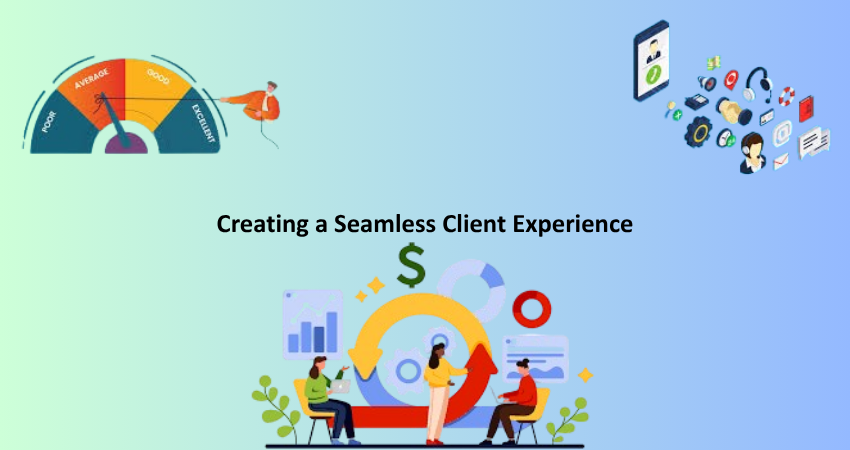
Most websites are not only to have an attractive design; they should also create user experience that could be most intuitive, easier, and most persuasive. If all the visitors come to your site and take notes about what they could do there but could not find what they need, or confused as to what to do next within your layout, they do leave before making any call of action. Easy navigation, easy text to read, and logical flow are key factors. Every part of your website should serve a purpose and lead naturally into the next step.
Main navigation should have the essentials: Home, Services, Portfolio, About, and Contact. Use smart buttons and inline CTAs like “Book a Call” or “Get a Quote”, so users know exactly what to do next. Use plain, benefit-driven language, not jargon, like multi-platform digital brand integrations; instead say, “I help businesses design websites that grow sales.” When you make your messaging clear and outcome focused, visitors are far more likely to stay, explore, and eventually hire you.
Onboarding Tools Streamline the Hiring Process
The moment a prospect choose to work with you, the task before him is to make his life easier. An appropriate selling web-page is not just for lead generation, converting those leads into clients also comes along with it. This means Calendar for booking, Typeform for the project intake forms, and Stripe or PayPal for deposits. These tools eliminate tedious back-and-forth emailing and make you look professional and organized right from day one.
An easy onboarding process goes a long way in helping to set expectations and develop trust. If your clients know what to expect, what you need from them, and how you are going to work with them, they feel they can go forward- those drops of clarity and transparency dramatically build confidence. An easy “How It Works” section or onboarding guide on your website could go a long way toward dislodging friction pockets and increasing conversion rates. No step that saves time and secures clarity in this process serves no purpose-it serves as a value addition, and happy clients become repeat clients or referrers.
Conclusion
Today, your website is no longer an option; it has become a valuable business asset in the digital freelancing environment. But then, all websites weren’t created equal. You need a website that sells. One that can speak to your ideal clients, showcases your unique value, and converts interest into income. A high-converting freelancer website will do all that uphill work for you-from personal branding and leads to trust and client experience.
Your website is like your best salesperson: it sells, it nurtures, and it assists in converting. The more persuasive, more professional, and catered to the client’s needs it is, the better it will appeal to the clients you want to attract. Whether you are just starting out or ready to scale up, investing time and effort into creating a selling website is one of the most intelligent long-term freelance ideas you can ever make. Don’t let that opportunity pass you by. Create a website that works as hard as you do.