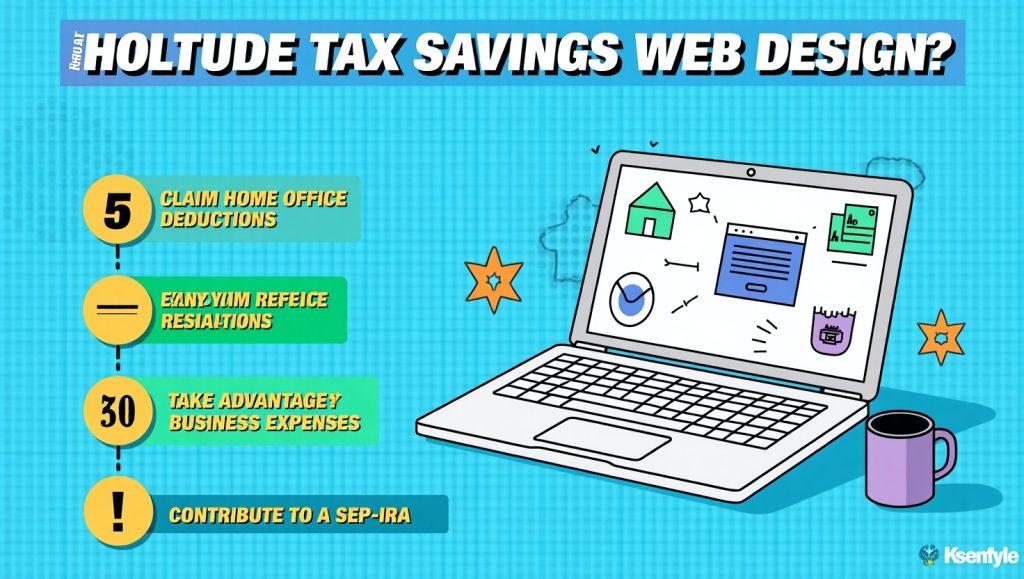
Freelancers in the web design industry wear many hats—from coding and branding to client relations and project management. But when tax season arrives, another role emerges: the financial strategist. Managing your taxes as a freelancer isn’t just about compliance—it’s a chance to save money and boost profits. The good news? With the right approach, freelancers in web design can legally and efficiently reduce their tax burden.
In this article, we’ll break down practical ways to maximize tax savings, from smart deductions to business structure choices. We’ll also cover tools, strategies, and even a few unexpected hacks that seasoned freelancers use to keep more of their hard-earned cash. Whether you’re just starting or have an established freelance brand, these tax-saving techniques can significantly improve your bottom line.
Let’s dig into how you can navigate the complex tax landscape and come out ahead—without sacrificing focus on creativity and client success.
Track and Deduct Every Legitimate Business Expense
When you’re freelancing, every little expense can add up. The key to saving is making sure you track everything and claim only what’s legit.
Software and Tools You Use Daily
Design software like Adobe Creative Cloud, Sketch, or Figma isn’t cheap—but it’s 100% deductible. Same goes for project management tools like Trello, Notion, or Slack. Even subscriptions like Grammarly or stock image sites count, as long as they’re work-related.
You can also deduct hosting fees, plugins, templates, and even your portfolio website costs—especially if you built it to attract clients. This is a great opportunity to highlight your need for a strong online presence. Tools like our responsive web design service help freelancers create tax-deductible assets that also generate business.
Workspace and Home Office Setup
If you work from home, you’re eligible for the home office deduction. This means a portion of your rent or mortgage, utilities, and even internet bills can become tax write-offs. To qualify, your workspace must be exclusively used for business—no designing websites at the kitchen table during dinner.
Make sure to keep a record of square footage and take photos of your workspace in case of an audit. Ergonomic chairs, standing desks, and even printers may also qualify.
Choose the Right Business Structure
The legal structure you choose affects how you’re taxed. Many freelancers operate as sole proprietors without knowing that other options might help them save.
Sole Proprietorship vs. LLC vs. S-Corp
A sole proprietorship is the simplest and most common, but you pay self-employment taxes on everything. By forming an LLC, you separate personal and business liability—though the tax benefits are similar unless you elect an S-Corp status.
An S-Corporation allows you to split your income into salary and distributions. You only pay payroll taxes on the salary portion, saving on self-employment tax. It’s worth exploring once you’re consistently earning more than $60,000 annually.
If you’re scaling your freelance business or teaming up with others, forming an LLC with an S-Corp election could be a strategic way to optimize taxes and reduce legal risks.
Keep Organized Financial Records All Year Round
Tax savings aren’t just about deductions. It’s about documenting everything properly so you don’t miss out or risk penalties.
Use Accounting Software
Tools like QuickBooks, FreshBooks, or Wave can help automate income and expense tracking. Not only do they generate profit and loss reports, but they also categorize expenses and track tax payments. You’ll thank yourself during tax season.
And don’t forget about mileage. If you drive to client meetings or co-working spaces, mileage can be deducted—use apps like MileIQ or Everlance to make tracking effortless.
Save Receipts and Bank Statements
Keep both digital and paper copies of receipts, especially for big purchases. Back them up in cloud storage and organize them by category—software, utilities, education, etc. IRS audits can go back three years, so this small effort today can save a lot of headaches later.
Using a dedicated business bank account and credit card is another smart move—it helps clearly separate personal and professional finances.
Invest in Tax-Advantaged Accounts
One of the most overlooked strategies for freelancers is investing in retirement or health savings accounts, which reduce taxable income.
Solo 401(k) and SEP IRA Options
Freelancers can open a Solo 401(k) or a SEP IRA to put away thousands in pre-tax dollars each year. In 2025, you can contribute up to $69,000 to a Solo 401(k) if you’re both employer and employee—significantly reducing your taxable income.
If you’re just starting and want less paperwork, a SEP IRA is easier to manage but limits flexibility on Roth contributions.
Health Savings Account (HSA)
If you have a high-deductible health plan, an HSA lets you contribute pre-tax money for health-related expenses. That means doctor visits, prescriptions, or therapy could save you money both now and in the future.
Freelancers in web design often forget they have these options—yet they can be powerful long-term financial tools.
Hire a Tax Professional Who Understands Freelancers
DIY taxes might work when you’re just starting, but once you grow, you’ll want an expert who can spot deductions you missed and ensure you’re compliant.
What to Look for in a Tax Pro
Choose someone with experience working with freelancers or creative professionals. They’ll understand the nuances of your industry, from irregular income to quarterly payments.
A good tax pro can also help plan ahead—not just prepare returns. With proactive planning, they can advise on things like LLC elections, estimated tax payments, and audit-proofing your expenses.
You can even deduct their fees on next year’s taxes. Win-win.
Bonus Tips to Lower Taxable Income Legally
Even if you’ve got the basics covered, here are a few advanced moves that could save you even more.
Professional Development and Courses
Courses on design trends, UX/UI, or SEO can be deducted as educational expenses—as long as they relate to your current business. So, if you’re brushing up on website design swansea trends, that’s a deductible cost.
This is also an excellent moment to explore related content like “How important are design patterns in web development?” which offers insights and examples for freelance designers looking to level up their craft (and deduct those learning costs!).
Client Gifts and Marketing Materials
Did you send a thank-you gift or branded notebook to a client? Gifts up to $25 per person per year are deductible. So are your business cards, brochures, and even branded T-shirts—anything used to market your services.
Even launching a new web design portfolio qualifies for deductions. Better yet, if you’re using tools like Cloudflare to improve your site’s performance, you’re also racking up more deductible expenses.
Final Thoughts
Freelancers in web design have more opportunities than they realize to reduce their tax bill—but you need to be proactive. Track every expense, choose the right structure, stay organized, and invest in your financial future through retirement and health accounts.
The key is to treat your freelance business like a business—not just a creative gig. That mindset shift alone can open doors to thousands in legal tax savings every year.